Water Heater | November 26 2025
Making the Most of Your Water Heater
Making the Most of Your Water Heater: A Guide to Efficient Maintenance
Introduction:
Your water heater plays a vital role in your daily life by supplying hot water for various household chores like showering, dishwashing, and laundry. It's a worthwhile investment that, with proper maintenance, can last for a long time and run efficiently, thereby reducing your energy expenses. Nevertheless, like all appliances, your water heater needs routine upkeep to perform optimally.
In this guide, we'll cover the essentials of maintaining your water heater and the best practices for keeping it in good shape. By following these simple tips, you can extend the life of your water heater, reduce the risk of malfunctions, and keep your energy costs low.
Set the Thermostat Temperature Right
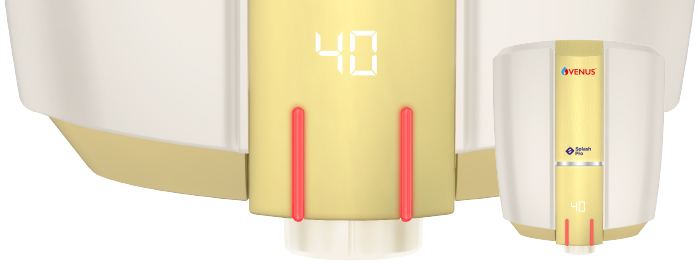
The temperature of your water heater can have a significant impact on its efficiency and your energy costs. A temperature that's too high can consume more energy and make your water heater work harder than necessary. To lower the temperature, simply adjust the thermostat dial to a comfortable temperature of 40°C. This will help you save energy and lower your energy bills.
Turn It Off When Not in Use
Replace the Anode Rod Regularly
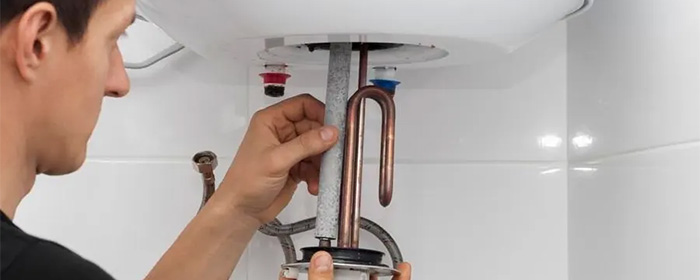
Drain It When Away
If you're leaving your home for an extended period, draining the water from your water heater can help prevent sediment build-up and reduce the risk of corrosion. To drain the water, turn off the power supply, attach a hose to the drain valve, and let the water run until it's clear.Call for Service if Water Takes Too Long to Heat

In conclusion, maintaining your water heater is crucial to maximizing its efficiency and lifespan. By following these simple tips, you can keep your water heater running smoothly, reduce the risk of malfunctions, and minimize your energy costs. If you have any questions or need maintenance help, don't hesitate to reach out to a service technician.